5 Ways to Reduce Claim Denials and Maximize Revenue

GoBill Medical Billing Insights — 5 Ways to Reduce Claim Denials and Maximize Revenue
Understanding the Impact of Claim Denials
Claim denials are one of the most significant revenue leaks in healthcare. According to the Medical Group Management Association (MGMA), the average claim denial rate hovers around 10%, with some practices experiencing rates as high as 20%. Each denied claim costs between $25 and $118 to rework, and approximately 60% of denied claims are never resubmitted—representing a direct revenue loss.
1. Verify Insurance Eligibility Before Every Visit
The most common reason for claim denials is eligibility issues—patients whose insurance has lapsed, changed, or doesn’t cover the service rendered. Implementing a real-time eligibility verification process before every patient visit can eliminate up to 27% of denials related to coverage issues.
Best practices include verifying coverage 48 hours before scheduled appointments, documenting the verification results, and training front-desk staff to identify common eligibility red flags such as plan changes, deductible status, and authorization requirements.
2. Implement Robust Pre-Authorization Workflows
Many payers require prior authorization for specific procedures, medications, and services. Failing to obtain pre-authorization results in automatic denials. Establish a systematic pre-authorization workflow that identifies which services require authorization and ensures they’re obtained before the service is rendered.
Consider using automated pre-authorization tools that can check payer requirements, submit authorization requests, and track approval status—reducing the administrative burden while ensuring compliance with payer requirements.
3. Invest in Certified Coding Expertise
Coding errors account for a significant portion of claim denials. Incorrect diagnosis codes, mismatched procedure codes, and unbundling issues can all lead to claim rejections. Ensure your coding team is certified (AAPC or AHIMA) and stays current with annual code updates.
Regular coding audits can identify patterns of errors and areas for improvement. Consider implementing computer-assisted coding (CAC) tools that use NLP to suggest codes based on clinical documentation, reducing human error while improving coding accuracy and speed.
4. Submit Clean Claims the First Time
A clean claim—a claim that is accepted and paid on first submission—is the gold standard of billing efficiency. Achieving a high clean claim rate requires attention to detail at every step of the revenue cycle, from patient registration to claim submission. Key strategies include double-checking patient demographics, using claim scrubbing software, and maintaining an up-to-date understanding of payer-specific requirements.
5. Analyze and Act on Denial Data
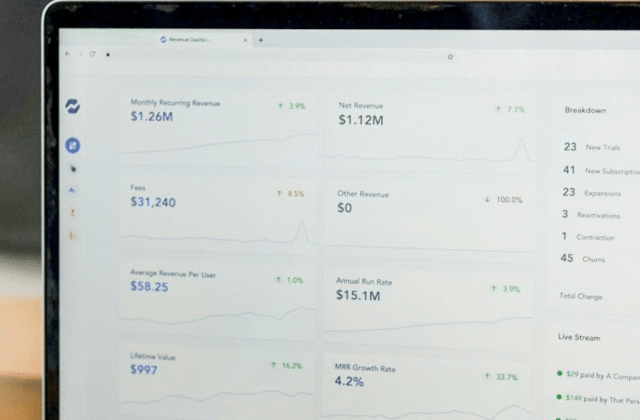
Every denied claim contains valuable information. By systematically analyzing denial data, you can identify root causes, track trends, and implement targeted solutions. Create a denial management dashboard that categorizes denials by reason code, payer, provider, and service type. This data-driven approach transforms denials from a cost center into an opportunity for process improvement and revenue recovery.
At GoBill, our denial management process combines AI analytics with expert human review to achieve a 99% first-pass claim approval rate. Our clients see an average 25% increase in revenue within the first 90 days by systematically reducing preventable denials and recovering revenue from previously written-off claims.